Wildlife-Friendly Seeds to Attract Local Animals
- texaswildseeds
- Jul 19
- 4 min read

Creating a wildlife-friendly garden is not just a trend; it’s a way to support local ecosystems and enjoy the beauty of nature right in your backyard. By choosing the right seeds, you can attract a variety of local animals, from birds to butterflies, and even small mammals. This post will guide you through the best wildlife-friendly seeds to plant, ensuring your garden becomes a haven for local wildlife.
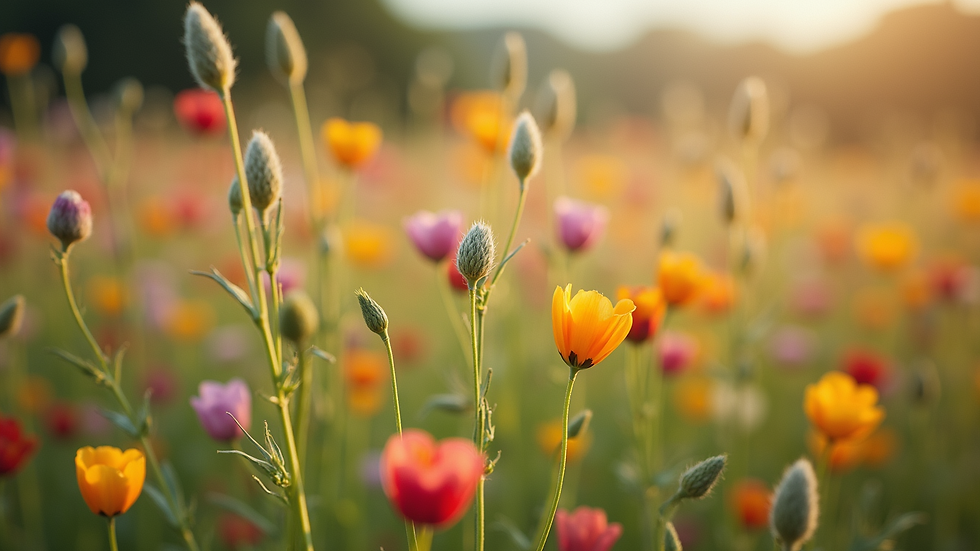
Understanding the Importance of Native Plants
Before diving into specific seeds, it’s essential to understand why native plants are crucial for local wildlife. Native plants have evolved alongside local animals and insects, creating a balanced ecosystem. Here are some key benefits:
Food Source: Native plants provide the right type of food for local wildlife. Birds, for example, rely on specific seeds, fruits, and nectar from native plants.
Habitat: These plants offer shelter and nesting sites for various animals, helping them thrive in their natural environment.
Pest Control: Native plants attract beneficial insects that can help control pests naturally, reducing the need for chemical pesticides.
Choosing the Right Seeds
When selecting seeds for your wildlife-friendly garden, consider the following categories:
Wildflowers
Wildflowers are a fantastic choice for attracting pollinators like bees and butterflies. Here are some popular options:
Black-eyed Susan (Rudbeckia hirta): This bright yellow flower attracts butterflies and provides seeds for birds in the fall.
Coneflower (Echinacea purpurea): Known for its striking purple petals, coneflowers are a favorite among bees and butterflies.
Milkweed (Asclepias spp.): Essential for monarch butterflies, milkweed provides food for caterpillars and nectar for adult butterflies.
Grasses
Native grasses are often overlooked but play a vital role in supporting wildlife. They provide cover and nesting materials for small mammals and birds. Consider these options:
Little Bluestem (Schizachyrium scoparium): This grass is drought-resistant and provides habitat for various birds and insects.
Switchgrass (Panicum virgatum): A versatile grass that supports wildlife and helps prevent soil erosion.
Shrubs
Shrubs can offer food and shelter for birds and small mammals. Here are some excellent choices:
Serviceberry (Amelanchier spp.): This shrub produces berries that are a favorite among birds and can be eaten by humans too.
Elderberry (Sambucus canadensis): Elderberries are not only great for wildlife but also produce delicious fruit for jams and jellies.
Planting Tips for a Wildlife-Friendly Garden
To create a thriving wildlife-friendly garden, follow these planting tips:
1. Create Diverse Plantings
Plant a variety of species to attract different types of wildlife. A mix of flowers, grasses, and shrubs will provide food and shelter for various animals.
2. Group Plants Together
Group plants with similar needs together. This makes it easier for wildlife to find food and shelter. For example, cluster wildflowers in one area and grasses in another.
3. Avoid Pesticides
Using pesticides can harm beneficial insects and wildlife. Instead, focus on natural pest control methods, such as introducing beneficial insects or using organic solutions.
4. Provide Water Sources
Adding a birdbath or small pond can attract birds and other wildlife. Ensure the water source is clean and refreshed regularly.
Seasonal Considerations
Different seasons bring various wildlife needs. Here’s how to cater to them throughout the year:
Spring
Planting: Spring is the ideal time to sow seeds. Consider planting early bloomers like crocuses and daffodils to attract pollinators.
Nesting: Provide nesting materials such as twigs and dried grasses for birds.
Summer
Watering: Ensure your plants are well-watered during the hot months. A consistent water supply will attract more wildlife.
Observation: Take time to observe which animals visit your garden and adjust your plantings accordingly.
Fall
Seed Production: Allow some plants to go to seed, providing food for birds during the winter months.
Mulching: Add mulch to protect plant roots and retain moisture.
Winter
Shelter: Leave some plant stems standing for winter shelter. Birds can use them for nesting materials in the spring.
Feeding: Consider adding bird feeders to supplement food sources during the colder months.
Encouraging Specific Wildlife
Attracting Birds
To attract a variety of birds, consider the following:
Sunflower Seeds: Plant sunflowers for their seeds, which are a favorite among many bird species.
Berry-Producing Plants: Incorporate plants like holly and dogwood, which produce berries that birds love.
Attracting Butterflies
To create a butterfly-friendly garden, focus on:
Nectar Plants: Include flowers like lantana and butterfly bush, which provide nectar for butterflies.
Host Plants: Plant milkweed for monarchs and parsley for swallowtails, as these are essential for their caterpillars.
Attracting Pollinators
Pollinators are crucial for a healthy garden. To attract them:
Diverse Blooms: Plant flowers that bloom at different times to provide a continuous food source.
Avoid Chemicals: Keep your garden chemical-free to protect these vital insects.
Conclusion
Creating a wildlife-friendly garden is a rewarding endeavor that benefits both local wildlife and your enjoyment of nature. By choosing the right seeds and following best practices for planting and maintenance, you can transform your garden into a vibrant ecosystem. Remember, every small effort counts in supporting local wildlife. Start planting today and watch your garden come alive with the sights and sounds of nature.
Now that you have the knowledge, it’s time to take action. Gather your seeds, prepare your garden, and enjoy the beauty of attracting local wildlife. Happy gardening!


Comments