Native Wildflower Seeds: Beauty for Your Texas Garden
- texaswildseeds
- Jul 19
- 3 min read

Creating a stunning garden in Texas can be a rewarding endeavor, especially when you choose to incorporate native wildflower seeds. These seeds not only enhance the beauty of your landscape but also support local ecosystems. In this post, we will explore the benefits of using native wildflower seeds, how to select the right varieties for your garden, and tips for successful planting and maintenance.

The Importance of Native Wildflowers
Native wildflowers are plants that have adapted to the local climate and soil conditions over time. This adaptation makes them more resilient and better suited for the Texas environment. Here are some key reasons to consider native wildflowers for your garden:
Environmental Benefits
Biodiversity: Native wildflowers attract a variety of pollinators, including bees, butterflies, and hummingbirds. This helps to maintain a balanced ecosystem.
Soil Health: These plants often have deep root systems that improve soil structure and prevent erosion.
Water Conservation: Native wildflowers typically require less water than non-native species, making them ideal for the often dry Texas climate.
Aesthetic Appeal
Seasonal Blooms: Many native wildflowers bloom at different times throughout the year, providing continuous color and interest in your garden.
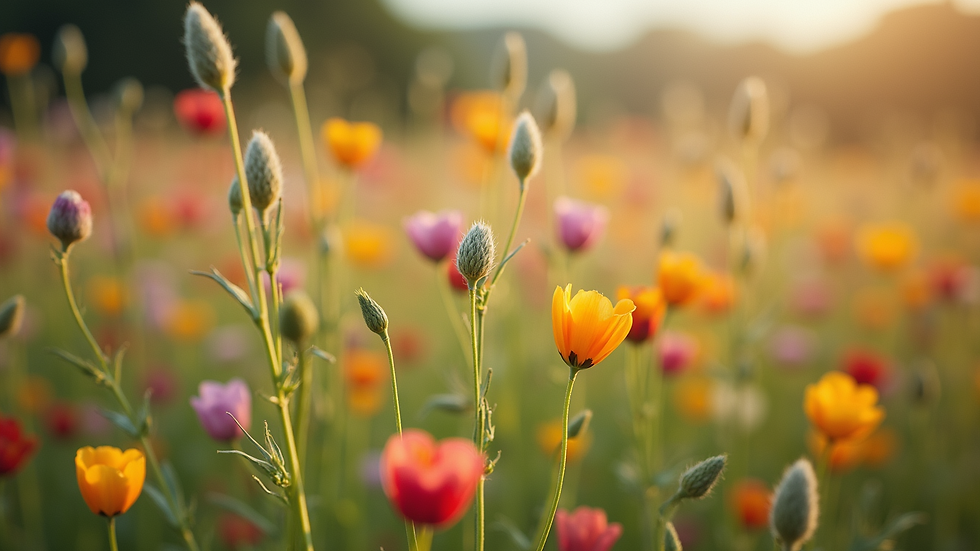
Natural Beauty: The unique shapes and colors of native wildflowers can create a stunning visual display that reflects the natural beauty of Texas.
Choosing the Right Wildflower Seeds
When selecting wildflower seeds for your Texas garden, consider the following factors:
Climate Zones
Texas has several climate zones, from humid coastal areas to arid deserts. Understanding your specific zone will help you choose the right wildflower varieties. For example:
East Texas: Consider planting Bluebonnets, Indian Paintbrush, and Black-eyed Susans.
Central Texas: Look for Texas Bluebell, Winecup, and Prairie Verbena.
West Texas: Explore options like Desert Marigold, Evening Primrose, and Sand Verbena.
Soil Conditions
Different wildflowers thrive in various soil types. Conduct a soil test to determine your garden's pH and nutrient levels. Some wildflowers prefer sandy soils, while others thrive in clay or loamy conditions.
Sunlight Requirements
Most native wildflowers prefer full sun, but some can tolerate partial shade. Be sure to check the sunlight needs of each variety you plan to plant.
Preparing Your Garden for Wildflowers
Once you've selected your wildflower seeds, it's time to prepare your garden. Follow these steps for optimal results:
Site Selection
Choose a location that receives at least six hours of sunlight per day. Ensure the area is free from weeds and debris.
Soil Preparation
Clear the Area: Remove any existing grass or weeds. This can be done by hand or with a hoe.
Loosen the Soil: Use a garden fork or tiller to break up compacted soil. This will help the seeds germinate and establish roots.
Amend the Soil: If necessary, add organic matter like compost to improve soil fertility.
Seed Sowing
Timing: The best time to sow wildflower seeds in Texas is typically in the fall or early spring, depending on the variety.
Sowing Method: Scatter the seeds evenly over the prepared soil. A seed spreader can help ensure even distribution.
Lightly Rake: After sowing, lightly rake the soil to cover the seeds with a thin layer of soil.
Caring for Your Wildflower Garden
After planting, proper care will help your wildflowers thrive. Here are some essential tips:
Watering
Initial Watering: Water the area gently after sowing to help the seeds settle into the soil.
Ongoing Care: Once established, most native wildflowers require minimal watering. However, during prolonged dry spells, a deep watering may be beneficial.
Weeding
Regularly check for weeds that may compete with your wildflowers for nutrients and water. Hand-pulling is often the best method to avoid disturbing the wildflower roots.
Fertilization
Native wildflowers typically do not require heavy fertilization. If your soil is particularly poor, a light application of a balanced, slow-release fertilizer can help.
Enjoying Your Wildflower Garden
As your wildflowers begin to bloom, take time to enjoy the beauty they bring to your garden. Here are some ways to enhance your experience:
Create a Viewing Area
Consider adding a bench or seating area where you can relax and appreciate the vibrant colors and wildlife visiting your garden.
Document the Changes
Keep a garden journal or take photos to document the growth and changes in your wildflower garden throughout the seasons.
Share with Others
Invite friends and family to enjoy your garden. Sharing the beauty of native wildflowers can inspire others to create their own sustainable landscapes.
Conclusion
Incorporating native wildflower seeds into your Texas garden is a fantastic way to enhance its beauty while supporting local ecosystems. By choosing the right varieties, preparing your garden properly, and providing ongoing care, you can create a stunning landscape that flourishes with color and life. Start your journey with native wildflowers today, and enjoy the many benefits they bring to your outdoor space.
Remember, every seed you plant contributes to a healthier environment and a more beautiful Texas landscape. Happy gardening!

Comments